55%: The Record Hispanic Support That May Be Fading in Texas
Polling in the Rio Grande Valley suggests a significant portion of the Hispanic vote won by Trump in 2024 is drifting back toward Democrats ahead of the November election.
By Karim Graham ·
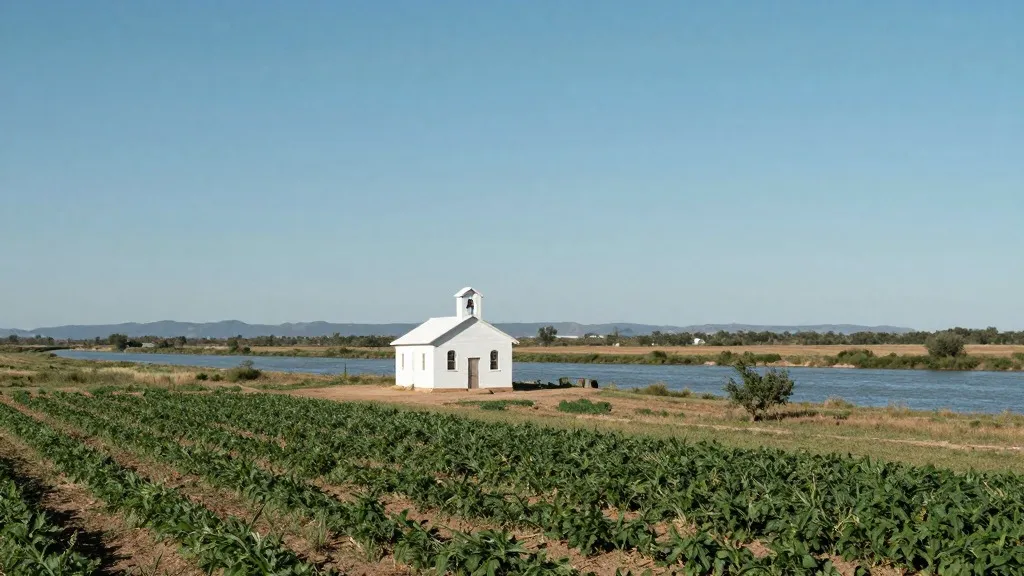
The Rio Grande Valley served as a bellwether for a historic political realignment when Donald Trump captured an unprecedented share of the Hispanic electorate in 2024. As the midterm election approaches on 3 November, local indicators suggest that momentum is now reversing, presenting a complex challenge for the ruling party.
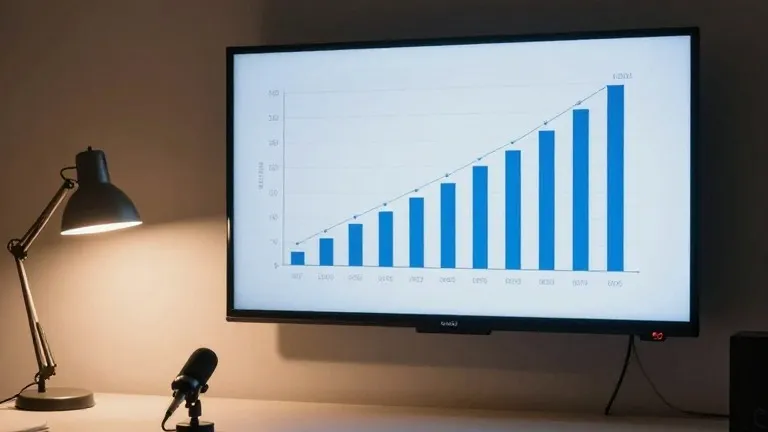
The numerical shift is stark when compared to recent history. In the 2024 cycle, the president secured approximately 55 percent of the Hispanic vote in Texas, a figure that had never been reached by a Republican presidential candidate. Current surveys conducted since late summer indicate a majority of this demographic now disapproves of the president. Furthermore, these voters favor Democrats over Republicans by a wide margin, signaling a potential erosion of the gains made in the presidential race.
Community figures illustrate the tension between past loyalty and present dissatisfaction. Mario Guerrero, a Mexican-American businessman who previously supported Trump on three occasions, intends to cast his ballot for the Democratic party this year. He cites a lack of clear communication regarding the extent of the administration's actions. His personal experience reflects broader economic anxieties, as he noted that a friend’s workforce of thirty-five daily laborers has dwindled to just four or six individuals who can still secure employment. This local sentiment is mirrored in the words of Dave Baldwin, who attributed rising living costs to federal leadership during a local festival.
The administration’s border strategy remains a central point of debate in these communities. While border crossings have dropped to their lowest levels in decades, the manner of enforcement has drawn criticism. Father Roy Snipes, a long-serving priest in McAllen, expressed concern over the treatment of neighboring residents by immigration agents. Recent data from the Deportation Data Project highlights the intensity of these efforts, showing that Texas accounted for nearly one-third of all immigration arrests nationwide in July 2026, a higher proportion than any other state.
Political operatives on both sides recognize the difficulty of the coming weeks. Republican candidate Tano Tijerina acknowledged the presence of national headwinds, while student volunteer Alexis Uscanga described the election as a contest of voter turnout. Conversely, Democratic candidate Bobby Pulido, a two-time Latin Grammy winner, is campaigning with a focus on the local economy rather than party branding. He emphasized the unique economic realities of the region, distinguishing it from major coastal cities.
The implications of this shift extend well beyond the state boundaries. Republicans had anticipated that the 2024 support was a permanent change, leading them to redraw congressional maps earlier than usual. Despite a redistricted 15th district that theoretically provides an 18-point advantage for Republicans, polling currently shows a five to six point lead for Democrats. If these numbers hold, the swing could put a U.S. Senate seat in play, a position the Democratic party has not held in the state for over three decades.
Source: BBC News
More Politics · World news · Report a business · Got a Story?