Canada Signs Turkey Pact, Dismisses US Meddling
Prime Minister Mark Carney defends the deal on human rights grounds while rejecting formal accusations from the U.S. Embassy.
By Karim Graham ·
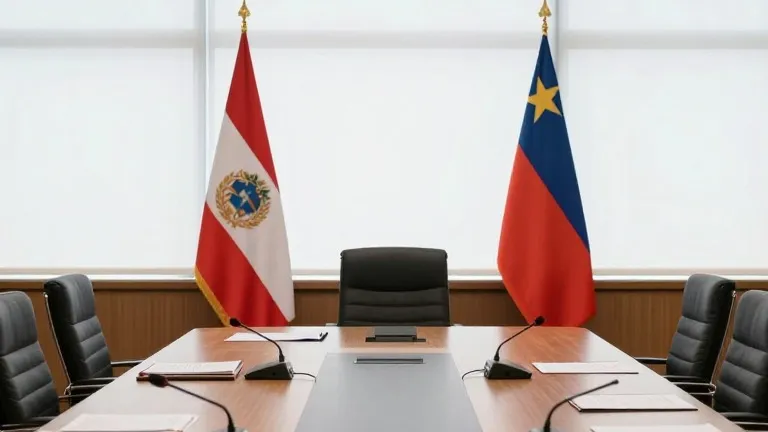
Canada and Turkey signed a strategic partnership on Friday, a move Prime Minister Mark Carney defended by separating trade engagement from moral endorsement. The agreement was concluded near the end of Carney's visit to Ankara and Istanbul.
Carney stated that few nations meet Canada's specific standards, positioning the deal within his government's policy of values-based realism. He noted that working with partners who do not share every value is a practical necessity for global trade.
The partnership was signed with the government of President Recep Erdogan. Human rights groups have long criticized Turkey, and their concerns intensified this month. Authorities recently conducted high-profile operations that critics say aimed to silence opposition voices and restrict independent journalism.
Foreign Affairs Minister Anita Anand raised human rights issues with her Turkish counterpart on Thursday. Carney declined to provide specific details about his separate meeting with Erdogan. He explained that direct and open conversations are more effective than detailed public reporting.
Ottawa seeks to reduce its dependence on the United States market by diversifying trading partners. Previous efforts have targeted Europe and the Indo-Pacific, as well as Saudi Arabia. A key component of the current talks involves the potential sale of Canadian nuclear technology to support Turkey's climate goals.
Carney told reporters that there are good chances AtkinsRealis will be selected to help build two planned power plants. This potential contract represents a significant commercial opportunity for the Canadian engineering firm in the Turkish market.
Carney also addressed a formal accusation from the U.S. Embassy in Ottawa released on Thursday. The fact sheet alleged that Canadian leaders were meddling in the upcoming U.S. midterm elections on November 3. Carney called the claims meritless and expressed disappointment that the U.S. envoy viewed such suggestions as part of his role.
Source: CBC News