Genetically Engineered War Dogs to Hit the Market in Two Years
A new $1.2 billion venture aims to solve the U.S. military's working dog shortage by cloning enhanced canines equipped with Anduril hardware.
By Mykola Bondarenko ·
For military and law enforcement agencies, the supply chain for working dogs is under strain, with a growing reliance on foreign sources. A new venture backed by $200 million in fresh capital is entering the market to change that dynamic. The company, Warhound, plans to genetically engineer dogs for specialized dangerous tasks, aiming to have the first batch in service within two years.
The startup emerged from stealth on Thursday, revealing a valuation of $1.2 billion following investment from Sequoia, 8VC, Corner Ventures, and In-Q-Tel. In-Q-Tel is a venture firm supported by the CIA and other U.S. intelligence agencies. The business model combines the biological engineering capabilities of Colossal Biosciences with the hardware and software expertise of Anduril Industries.
Warhound’s core proposition addresses a critical gap in the defense sector. The company notes that more than 80% of the U.S. military’s working dogs are currently sourced from Europe, and fewer than half of those imported animals are fit for service. This dependency creates a bottleneck in a sector where specialized canines are essential for bomb detection, search operations, and other high-risk missions that are often too dangerous for humans or too complex for machines.
The biological process involves taking cell lines from top-performing breeds, such as Belgian Malinois and German Shepherds, and placing them in a biobank. The team will then edit these genes to enhance traits like speed, agility, and olfactory sensitivity, while removing genetic predispositions to common health issues like hip dysplasia or cancer. Colossal Biosciences, known for its de-extinction work, will license its technology to the new venture, holding equity in the business.
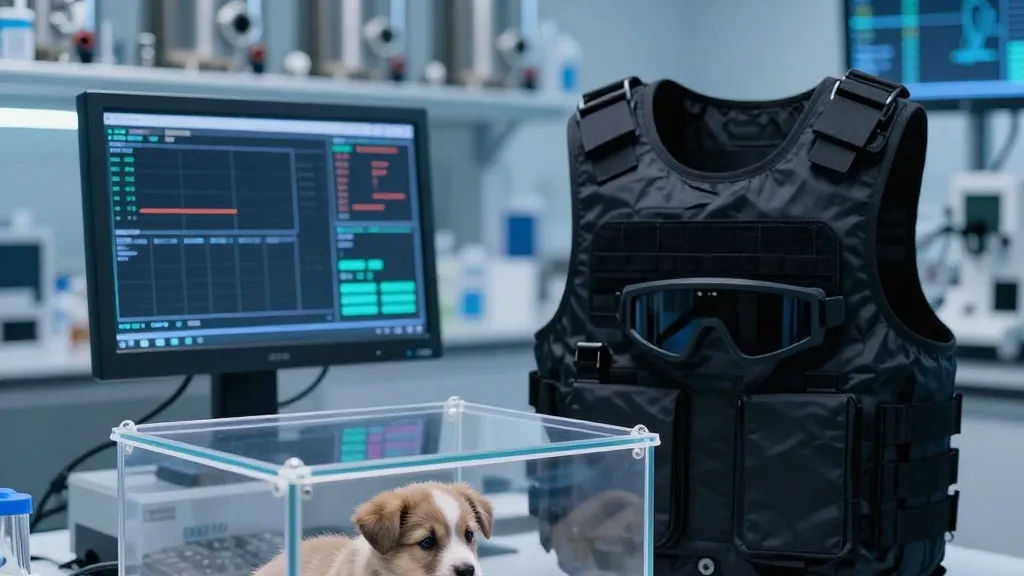
Anduril’s role is to provide the technological overlay for these enhanced animals. The company will supply gear such as protective vests and goggles equipped with data sensors. These devices will feed real-time information to handlers, improving situational awareness. Colossal’s Ben Lamm described this as adding capabilities "on top of the dog, not in the dog," arguing that safer and healthier animals will perform better in the line of duty.
The first generation of these engineered dogs is expected to be cloned and incubated soon, with births anticipated in early 2027. Viagen, another Colossal-owned entity, will handle the cloning process using technology that has proven effective in endangered species programs. While pricing has not yet been determined, the target customers include the Department of Defense, police forces, and other first responder groups.
Open questions remain regarding the long-term integration of these animals into public-facing roles. Lamm stated that each dog will undergo standard military working dog training and be managed by the buying agency. To address public concerns about the welfare of genetically modified animals, Warhound is working under the guidance of the American Humane Society to certify its training program.
The American Humane Society has welcomed the collaboration, stating in a statement that it is grounded in science and ethics and looks forward to ensuring the animals are treated humanely. The company also hopes that retired Warhounds will enter the Society’s Military Working Dog Reunification Program, which provides homes for retired military dogs, ensuring a clear path for their post-service lives.
Source: TechCrunch