Oleshky evacuation: Ukraine and US push for wider Black Sea truce
Zelenskyy cites the successful transfer of civilians from Oleshky as proof that de-escalation is feasible, while Washington reviews proposals to secure shipping lanes.
By Marco Vargas ·
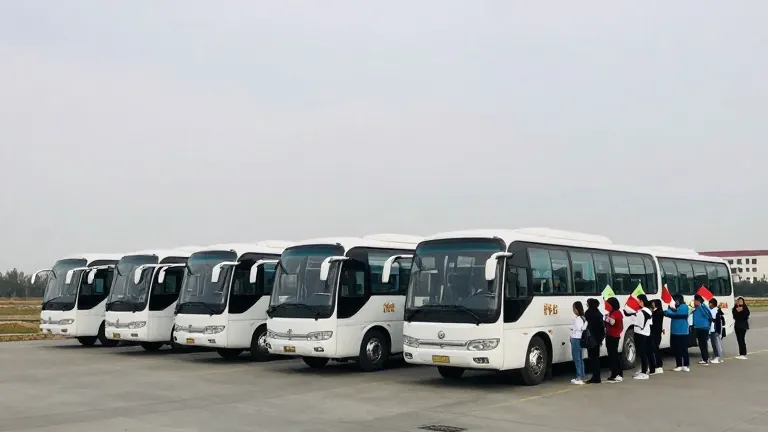
Residents of the Russian-occupied city of Oleshky crossed into Ukrainian-held territory on Saturday after a localized ceasefire allowed their evacuation. The operation concluded with evacuees arriving at the border with Belarus, where they reunited with family members. The temporary halt in fighting was expected to last until Sunday evening.
Volodymyr Zelenskyy stated that the humanitarian mission proves de-escalation is possible when Russia is positioned to take those steps. He spoke at a news conference in Istanbul alongside Turkish President Recep Tayyip Erdoğan. Zelenskyy argued that strong decisions are required to bring peace. He said Russia must receive signals at every level that there is no alternative to peace and that support for Ukraine will not diminish.
The two leaders discussed the possibility of trilateral talks involving Ukraine, Russia, and the United States in early November. They also explored ways to involve Turkey and Europe in the process. Zelenskyy accused Russia of making the situation in the Black Sea difficult. Erdoğan described attacks on civilian vessels as unacceptable. He urged both sides to act responsibly and said talks to restore navigation safety would continue.
In the United States, Secretary of State Marco Rubio reported growing interest in a limited ceasefire for the Black Sea. The goal is to ensure uninterrupted energy and grain shipments by both Russia and Ukraine. Rubio said Washington is reviewing proposals from Turkey and India to move grain shipments. The US continues to push for a broader negotiated settlement of the war.
Rubio noted that partial deals, such as halting attacks on ships carrying grain and energy, are gaining traction. He described the current maritime conflicts as a threat to global food and energy security. Rubio made these remarks in Atlanta after a two-day meeting of G20 foreign ministers. Russian Foreign Minister Sergei Lavrov attended the gathering despite objections from European and Canadian leaders.
Evacuees from Oleshky described severe conditions during the occupation. Valera, a 29-year-old former resident, told Agence France-Presse that some residents ate grass and dogs to survive. He said people cooked grass because there was nothing else to eat. Valera described piles of bodies on the roads and many destroyed cars. He called the rescue a blessing after what he described as a terrifying experience.
Ukrainian forces struck a major missile fuel producer in Russia’s Rostov region overnight. The general staff said the attack targeted Kombinat Kamensky, a state-owned chemical and defense enterprise in Kamensk-Shakhtinsky. Ukrainian drones and Neptune coastal missiles were used in the operation. The strike caused a fire and damaged four production facilities.
Source: The Guardian