Silicon Flock: Microduck robots surge in popularity after Nvidia CEO demo
A viral demonstration of autonomous robotic ducks has driven preorders past 20,000, positioning the devices as a potential holiday sensation.
By Ishani Kapalli ·
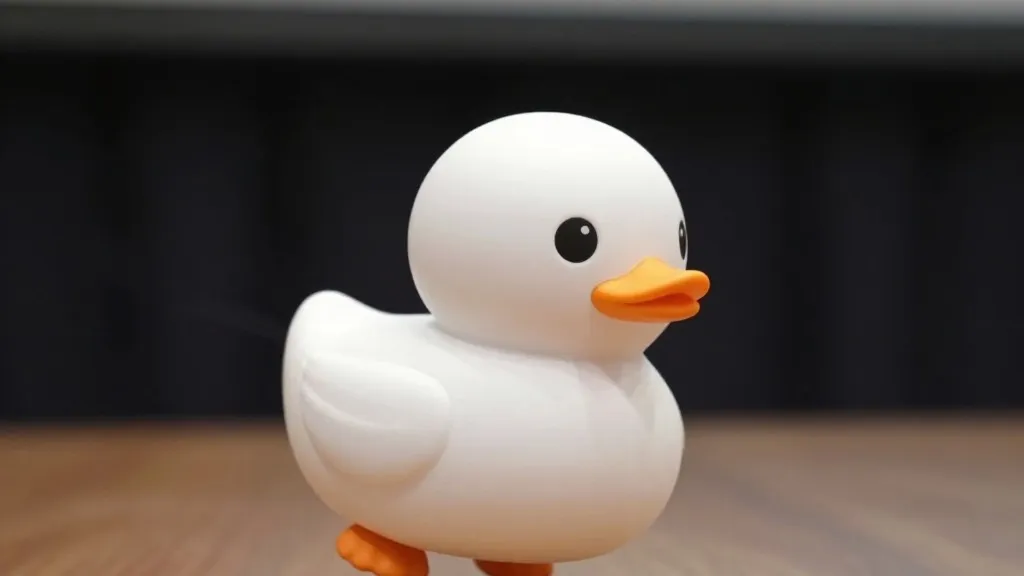
The rapid ascent of the Microduck from a niche open-source project to a viral sensation was cemented earlier this week when Jensen Huang, chief executive of Nvidia, took the stage at the GTC Berlin conference to interact with a flock of the small robots. The footage, which quickly circulated across digital platforms, showed Huang engaging with the devices as they performed a series of programmed behaviors, including walking, sitting, and performing somersaults upon receiving voice commands. The robots also exhibited a unique resting state where they would collapse onto their backs, simulating a nap, while emitting soft, mechanical sounds reminiscent of the droid R2-D2 from the Star Wars franchise.
The public reaction to the demonstration was immediate and enthusiastic. According to Clem Delangue, the head of Hugging Face, preorders for the Microducks exceeded 20,000 units within just one day of the keynote. This rapid uptake suggests that the device has the potential to become the defining toy of the upcoming holiday season. Delangue has expressed the view that these robots could finish as the best-selling robotic unit of the year, noting that their appeal extends well beyond the traditional child demographic, with promotional materials highlighting adults engaging with the devices as well.
The commercial trajectory of the Microduck is inextricably linked to the recent consolidation of assets within the artificial intelligence ecosystem. The devices are open-source hardware created by Pollen Robotics, a company that was acquired by Hugging Face in 2025. In September of this year, Nvidia completed its acquisition of Hugging Face, effectively bringing the Microduck line under the umbrella of the GPU giant. This is not the first robotic venture for the combined entities, as they previously released the Reachy Mini, another compact and aesthetically pleasing robot.
The technical foundation of the Microduck relies heavily on Nvidia’s proprietary software stack. During the development phase, simulations of the robots were utilized to teach them fundamental motor skills, such as walking, standing, and sitting. These basic maneuvers are pre-installed in the units that ship to consumers. However, the open-source nature of the project allows for deeper customization. Pollen Robotics states that owners have the capability to train their specific units on new tricks and subsequently share these custom behaviors with the wider community of users.
The timing of the release is strategically aligned with the holiday shopping period, with deliveries expected to arrive in time for Christmas. This positioning allows the product to capitalize on seasonal gifting trends. The viral nature of the CEO’s demonstration serves as a powerful marketing tool, effectively lowering the barrier to entry for potential buyers who might have been unfamiliar with the hardware. The cute aesthetic and simple, delightful behaviors appear to be key drivers of the initial sales surge.
There are, however, considerations regarding the broader context in which this product is being released. The week in which the Microduck went viral was marked by significant turbulence in the AI industry, with several high-profile cyberattacks being attributed to artificial intelligence involvement. This backdrop of serious security concerns provides a stark contrast to the lighthearted presentation of the robotic ducks. Nevertheless, the consumer response suggests a willingness to embrace the fun and accessible side of the technology, even as the industry grapples with more complex challenges.
As the units begin to ship, the focus will likely shift from the initial viral moment to the long-term usability and community development of the platform. The ability for users to create and share new tricks could foster a robust ecosystem of content and interaction. Whether the Microduck maintains its momentum beyond the holiday season will depend on its ability to retain user interest through these community-driven features. For now, it stands as a notable example of how a simple, charming piece of hardware can capture the public imagination within the tech sector.
The convergence of corporate acquisition, open-source development, and viral marketing has created a unique launch scenario for the Microduck. With Nvidia’s backing and Hugging Face’s community, the device is well-positioned for continued growth. The initial preorder numbers indicate strong demand, but sustained success will require the product to deliver on its promise of being both a fun companion and a versatile platform for user innovation. The holiday season will serve as the first major test of its market viability.
Source: TechCrunch