Wolves Return to Finnish Villages as Google's Data Center Sites Turn Forest into Mud
Displaced wildlife is forcing its way into residential areas near unauthorized construction sites, prompting local residents to raise safety concerns and demand accountability.
By Isabella Morales ·
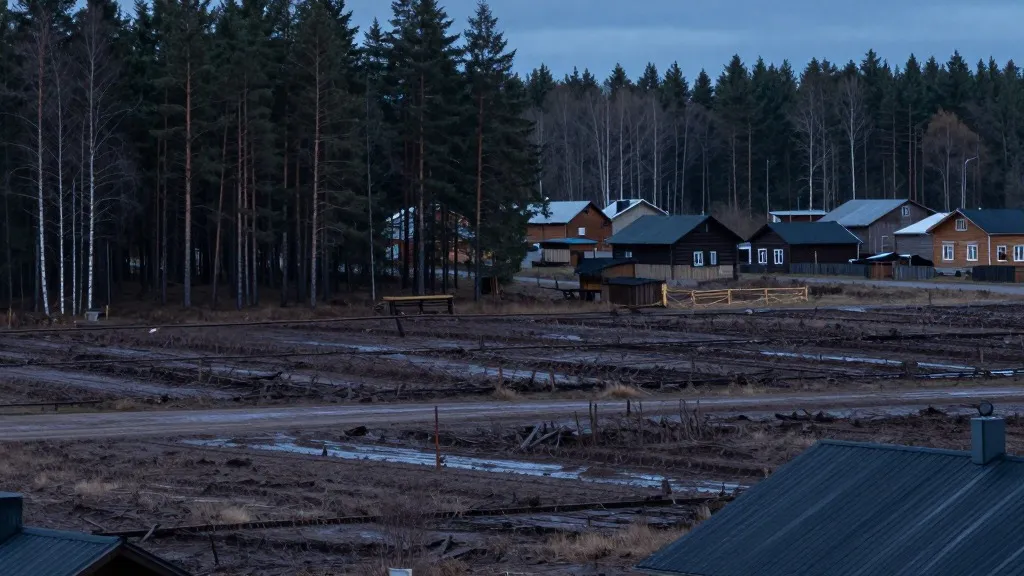
For residents in the Finnish countryside, the immediate change is not just visual but physical: wolves and other wild animals are now wandering into villages that previously saw little wildlife. This shift has turned the local landscape into a zone of caution, as families report encounters with animals that were once confined to the dense forests surrounding their homes. The intrusion has raised serious safety questions for neighbors who are now sharing their space with displaced predators.
The catalyst for this ecological disruption is the construction of new AI data centers by Google near the villages of Muhos and Otanmäki. According to recent reports, the company has cleared approximately 1,300 acres of forest in the area. Of this total, 816 acres have been transformed into an expanse of mud, while another 500 acres were cleared in the vicinity of Otanmäki, located 55 miles southeast of the village. The rapid removal of the forest has left the land barren, forcing the local animal population to seek new territory.
Local anger over the project has been growing, with many feeling that regulations were bypassed in the rush to build the infrastructure. Anni Ranta, 53, a resident of Otanmäki whose family has lived in the area for generations, explained that the wolves entered the village because the wild animals were driven out of the forest. Beyond the immediate wildlife issues, Ranta expressed a broader fear that the presence of U.S.-owned data centers could make Finland a more attractive target for Russian aggression.
The environmental impact extends beyond the movement of wolves. Locals have voiced complaints about construction noise, streams turning brown, and rare birds being pushed out of their habitats. These grievances reflect a wider pattern seen in other countries where AI data center development has strained local environments. In Finland, however, the scale of the unauthorized clearing has led to a particularly strong reaction from both environmentalists and everyday residents.
Regulatory bodies have stepped in to address the situation. The Finnish Licensing and Supervision Authority (LVV) issued an order for Google to cease work at the sites near Muhos and Otanmäki. A representative from the Finnish Association for Nature Conservation (SLL) described Google’s handling of environmental policy as unprecedented and clearly in violation of established norms. The LVV’s decision to halt development follows a notice given earlier this month regarding construction activities in Muhos and the nearby town of Kajaani.
Despite the regulatory pressure and local outcry, Google maintains a cooperative stance. A company spokesperson stated that they will fully comply with the LVV’s requests and look forward to an active dialogue with authorities to strengthen their partnership with Finland and local organizations. The company’s country manager has also apologized for the unauthorized clearings, acknowledging the impact on the landscape. Google appears to be banking on the long-term business benefits of the data centers to maintain its standing with regulators.
The situation now sits at a crossroads between technological expansion and environmental preservation. While the data centers are designed to power future AI capabilities, the current pause in construction leaves the muddy, cleared sites as a stark reminder of the trade-offs involved. For the residents of Otanmäki and Muhos, the return of the wolves is a tangible sign that the balance of their local ecosystem has been significantly altered.
As the dialogue between Google and Finnish authorities continues, the focus remains on how the company will proceed. Whether they will reforest the cleared areas or simply wait for a green light to resume work is yet to be determined. In the meantime, the villagers are adapting to a new reality where the line between the forest and their front yards has blurred, driven by the search for computational power.
Source: Tom's Hardware