89.9 Percent Inflation: The Shrinking Wallets of Tehran
Escalating costs have forced Iranian households to drastically cut back on meat, dining out, and savings as the currency continues its slide.
By Stefan Greco ·
On October 23, the head of Iran's central bank, Abdolnaser Hemmati, conceded that the population is carrying a heavy financial load. While he maintained that foreign efforts to isolate the national economy have not met their primary goals, the daily reality for citizens tells a different story. The admission comes as a wave of economic pressure forces families to rethink their most basic survival strategies, from what they eat to how they socialize.
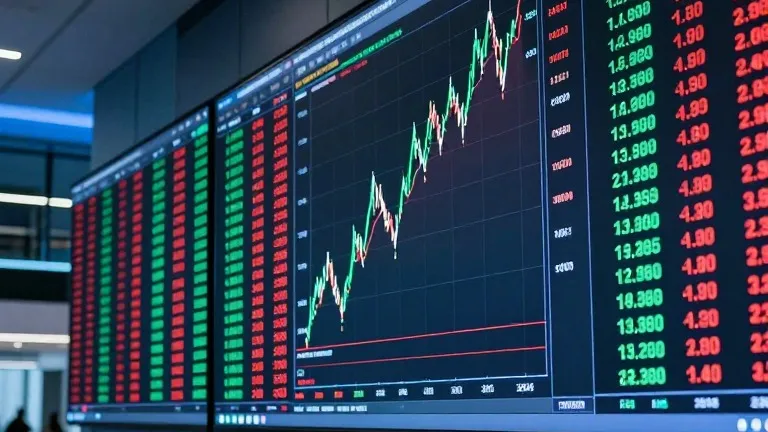
The numbers behind this struggle are stark. Annual inflation hit 89.9 percent in September. For a family of three, a basket of eleven essential food items now costs over 168 million rials, or roughly $61.70. The state's food voucher, valued at 10 million rials, covers less than 18 percent of the per-person cost, a sharp drop from the 30 percent it covered in December 2025. With a monthly wage estimated at just $100, the gap between earnings and expenses is widening rapidly.
The human cost is visible in Tehran’s markets and homes. A newly married woman, who wished to remain anonymous, described how her family’s wedding savings were consumed by a housing deposit. She now works two shifts, and she and her husband spend most of their waking hours at work. "Our home has turned into the place we just sleep," she noted. Her experience mirrors a broader trend where middle-class habits, such as dining out or traveling, are vanishing.
This hardship is not limited to the lower income bracket. A man in western Tehran earns a household income of one billion rials, well above the city average of 600 million rials. Yet he admits he can only manage to live for the day. "I can live for today, but I have no savings for tomorrow," he said. Similarly, a 28-year-old woman earning 400 million rials a month has altered her social life. She and her friends now split one dish between two people at cafes, a tactic she says is the only way to afford an outing.
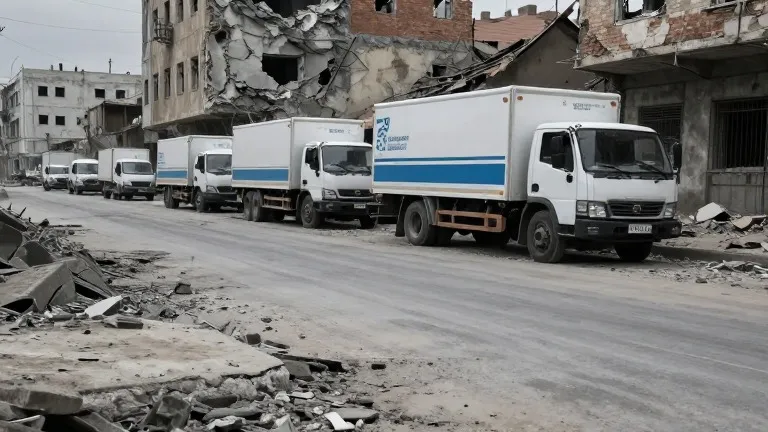
The economic squeeze is being driven by a mix of internal and external factors. Years of sanctions and a falling rial have weakened the currency. The situation deteriorated after the United States and Israel launched a war on February 28, which damaged infrastructure. A US naval blockade has slashed oil exports and imports, while Iranian attacks in the Strait of Hormuz have further disrupted shipping. In August, the US Treasury launched a new sanctions drive labeled "Economic D-Day," aiming to cut Tehran off from global finance.
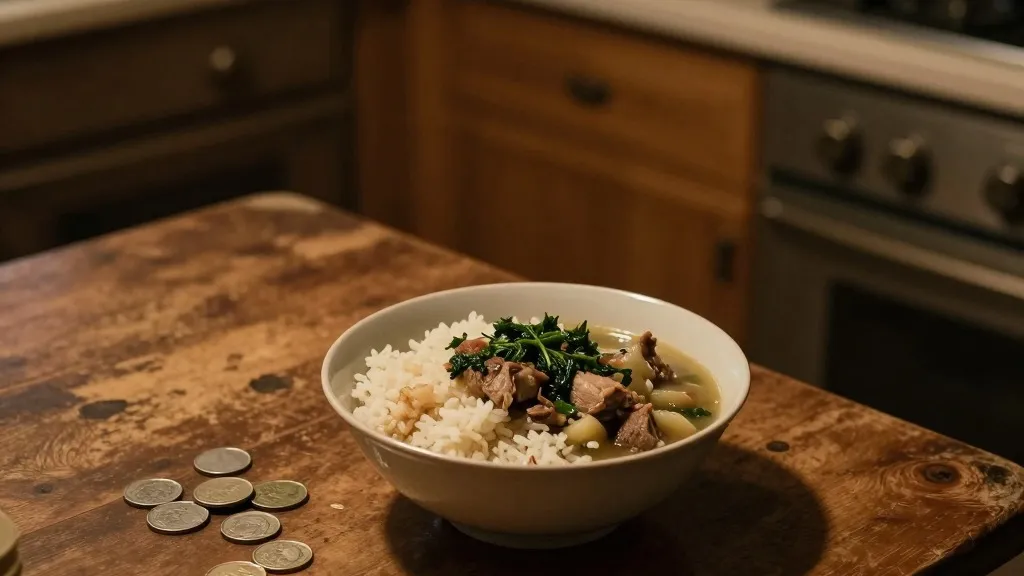
Food choices are being rationed with military precision. Cooking a chicken and barberry meal now costs nearly double what it did a year ago. A family might reserve meat and chicken for the children, while the parents subsist on legumes and substitutes. A retired woman on a monthly pension of 180 million rials has cut back on protein since March. She worries about her health but feels lucky to be rent-free. The stakes are no longer just about comfort; they are about maintaining basic nutrition in an economy that feels poorer every morning.
The trajectory is clear. As the rial continues to lose value and international trade remains blocked, the margin for error in Iranian households is disappearing. The focus has shifted from accumulating wealth to merely surviving the month, with even those earning above the average feeling the pinch of a rapidly devaluing currency.
Source: RFE/RL
More Business · World news · Watch Your Wallet · Report a business · Got a Story?