Five Injured in Baghdad Blast As Iraq Suspects Israel Hit Chinese Air Defense Caches
Iraqi security sources attribute recent warehouse strikes to Israeli action, citing the targeting of shoulder-fired systems supplied by Tehran.
By Karim Graham ·
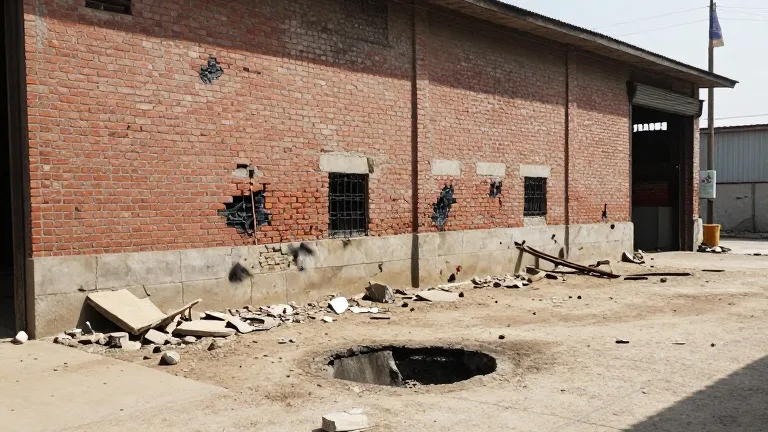
Five people were injured in an explosion at a Popular Mobilization Forces base in Baghdad’s East Canal area on October 17, according to a report by the London-based newspaper Asharq Al-Awsat. The blast hit a stockpile of obsolete ammunition, and the Iraqi government has promised an investigation, though no official update has been released more than a week later.
Iraqi authorities now suspect that Israel was responsible for recent strikes on two locations where Iran-backed militias stored shoulder-fired air defense systems of Chinese origin. The weapons were reportedly supplied by Tehran, and the specific model of the system was not identified in the report. Sources indicated that the armed group chose the storage sites because they were difficult to reach or detect, and that the attacks occurred shortly after the shipments arrived at both locations last week.
The report noted that these strikes followed an incident on October 1, when warehouses linked to Iran-backed groups in and around Baghdad were affected. These facilities reportedly held stores of drones intended for suicide attacks and reconnaissance. A security official stated that Iraqi authorities had not definitively determined the nature of the strikes but possessed enough evidence to attribute them to Israel.
The PMF initially described the October 17 blast as an accident. However, an anonymous Iraqi official told Asharq Al-Awsat that authorities were still examining the circumstances. The newspaper linked the event to a pattern of recent attacks, suggesting that the strikes signal the start of a new round of conflict between the United States and Iran, mediated through Iraqi proxies.
A source within the Shi'ite Coordination Framework said that ruling party leaders had spent weeks predicting that renewed war would begin with the total destruction of the Iraqi factions' capabilities. Most major groups in the PMF, excluding the Badr Organization, are currently sanctioned by the United States as terrorist organizations. This context follows a period in which Iran has sought to turn Iraq into a frontline, carrying out more than 1,000 strikes on the Kurdistan Region and 600 attacks across the country, some targeting US diplomatic sites.
The US withdrew its forces from Iraq on September 30, adhering to a deadline agreed with Baghdad over previous years. Since the withdrawal, Washington has warned Americans against traveling to Baghdad. Meanwhile, the Islamic Resistance in Iraq, a coalition of militias that has attacked Israel and the US in the past, published a statement claiming that Iraqi airspace is being violated.
Asharq Al-Awsat connected the presence of these weapons to earlier reports of China supplying arms to Iran, though it described that link as unconfirmed. China's Foreign Ministry denied those reports on July 28. The newspaper also highlighted conflicting, unconfirmed accounts of Israeli fighter jets flying through Iraqi airspace near the Iranian border with the support of midair refuelers.
The report acknowledged that parts of its findings could not be confirmed and offered no physical evidence for its claims. It noted that the strikes are the latest in a series of incidents where Iraqi officials have pointed to Israel, following similar accusations in 2019 and regarding a strike in Albukamal, Syria, near the Iraqi border. The closure of the Maysan province crossing near the Iranian border, amid US pressure and Iraqi concerns about trafficking, adds to the regional tension.
Source: The Jerusalem Post