Gaza Shelter Shortage Leaves 242,000 Families Unprotected for Winter
Official data shows aid supplies cover only 18 percent of displaced families, forcing residents to patch failing tents before the season's first storms.
By Marco Vargas ·
The Office for the Coordination of Humanitarian Affairs reports that winter shelter aid reaches only 52,000 of the 294,250 families in Gaza that require assistance. This coverage gap leaves roughly 82 percent of displaced households without official material support as they prepare for their fourth winter since the war began in October 2023. The deficit forces families to rely on damaged tents and improvised structures to withstand coastal winds and rain.
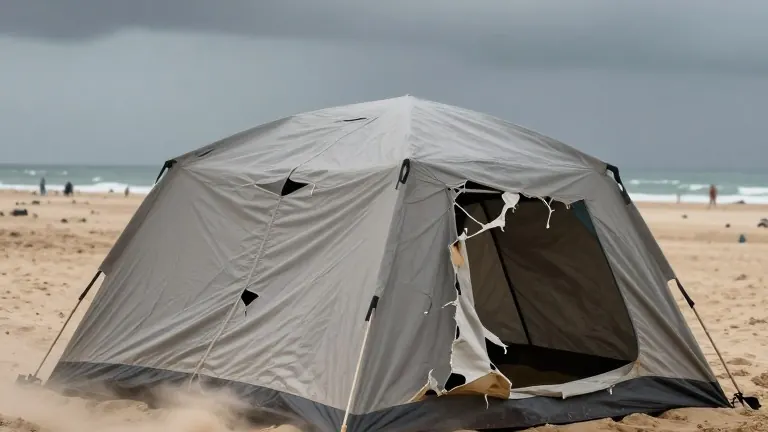
A Shelter Cluster survey indicates that more than 65 percent of displaced households occupy tents or makeshift shelters. Over half of these structures are rated in poor or very poor condition. Residents describe constant maintenance work to keep their living spaces intact. Mohammed al-Jamal, 60, fastens nylon sheets and tarpaulin to the ground on a beach in western Gaza City to reinforce his shelter. He cannot afford a replacement tarpaulin, which costs between 120 and 150 shekels, or $37 to $47, in local markets.
Al-Jamal, originally from the Shujayea neighbourhood, has been displaced repeatedly since the conflict started. About 30 members of his extended family share the shelter. Rain floods their living space, and winter temperatures can drop to 7C. Coastal winds make the conditions feel colder, requiring the family to rely on extra clothing. He stated that storm warnings prompt reinforcement efforts, but successive storms undo the work. Promises of shelter materials and caravans have not provided his family with assistance.
Logistical barriers further delay the arrival of aid. The Norwegian Refugee Council stated on October 5 that at least 500 truckloads of shelter materials were awaiting entry or procurement. The organization warned that bringing these supplies into Gaza could take more than seven months at the existing pace. The materials include tents, tarpaulins, ropes, and other repair items. The Israeli siege has restricted supplies reaching the territory, compounding the shortage.
Khitam Salman, 39, from Beit Lahiya in northern Gaza, has moved repeatedly over the past two years. She now lives near the beach, where one family tent collapsed four times while they slept inside. Torn fabric allows sand to enter and provides little defense against storms. Her husband works in the health sector but receives his salary only once every three months. The family needs coverings for two tents and a storage area but cannot afford them.
Infrastructure damage increases the risk of flooding. Broken roads, drains, and sewage systems allow rainwater to mix with wastewater and inundate camps. Husni Muhanna, a spokesperson for the Gaza Municipality, said more than 85 percent of the city's infrastructure had been damaged. Rainwater drainage is operating at roughly 20 percent of its former capacity. Emergency cleaning and maintenance have begun, but rubble and shortages of machinery, fuel, and materials limit the work. Yosra Mesleh, 45, is approaching her second winter in a tent after her home in the Nassr neighbourhood was destroyed. She noted that last winter, rain soaked bedding and left the family struggling to find a dry place to sit. Her husband has been unemployed since the war began, and her son struggles to meet his own expenses. Mesleh said, “We are asking for tarpaulins and tents, for a dignified life.”
The war has killed more than 74,500 Palestinians and damaged or destroyed more than 80 percent of buildings across Gaza. Approximately 1.5 million of the territory’s 2.3 million residents are currently living in tents or improvised shelters. The combination of structural decay and limited aid resources defines the current living conditions for the majority of the displaced population.
Source: Al Jazeera