Rubio Tells Cubans to Contact CIA for Direct Aid
The State Department chief urged island residents to seek a discrete partnership with U.S. intelligence while President Trump outlined a naval plan to stop 50 yards off the coast.
By Stefan Greco ·
U.S. Secretary of State Marco Rubio posted a message on X on Friday inviting Cubans who desire political reform to establish a direct line of communication with the Central Intelligence Agency. The statement marks a shift toward more explicit coordination with island reformers as Washington intensifies pressure on the communist government in Havana.
Rubio wrote, "To those who seek to create positive change in Cuba - now is the time." He cited the "disappointment of failed promises, corruption, and the privileged lives of only a few" as reasons for residents to act. The post concluded with an instruction to "seize this opportunity to create the change you desire through a discrete partnership with the CIA."
The CIA quickly amplified the appeal by reposting the message in both English and Spanish. The agency included a video that detailed the specific steps citizens could take to reach intelligence officers. This public solicitation follows a series of economic measures aimed at isolating the Cuban state, including new sanctions on its state-run bank last week due to alleged ties to Iran.
Economic hardship on the island has driven the urgency of the diplomatic push. Prices for basic goods have risen sharply, and access to medical services has declined. Residents have reported waiting hours in lines for bread and doctor appointments, conditions that the Trump administration argues highlight the need for structural change.
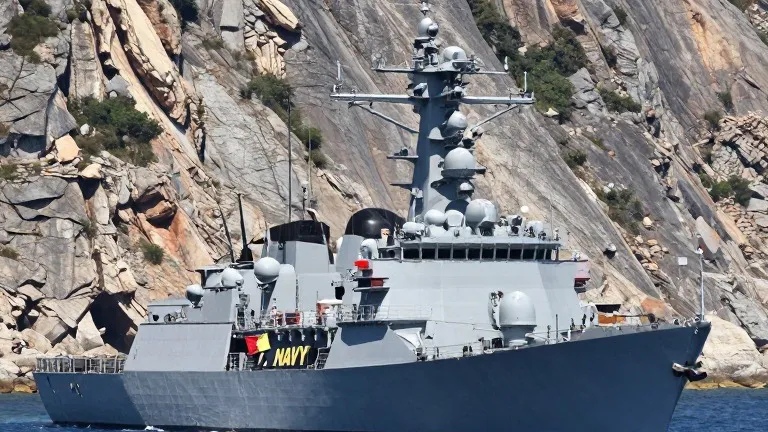
President Donald Trump reinforced the message at a campaign rally in South Florida on Friday. He linked the Cuban situation to ongoing military operations in the Middle East, stating, "We'll take care of Cuba on our way back from Iran." The President described a specific scenario involving U.S. Navy warships currently deployed near the Strait of Hormuz.
Trump explained that one of the vessels would stop approximately 50 yards off the Cuban coast. He predicted the sailors would raise their hands in a gesture of approach, after which he would send Rubio to "finish up the deal." The imagery suggests a coordinated effort between military presence and diplomatic negotiations.
Havana rejected the proposed strategy. Foreign Minister Bruno Rodríguez Parrilla responded on X, stating that Cuba rejects "any threats stemming from U.S. ambitions toward Cuba." He described the island's coastline as "rugged and inhospitable to those who arrive with hostile intentions and a desire for domination."
Source: CBS News