Tesla Targets Late 2027 for Optimus Sales as Hand Mechanics Remain Key Hurdle
Elon Musk has reset the timeline for external humanoid robot deliveries, citing persistent challenges with dexterity, durability, and AI generalization that competitors like XPeng and Boston Dynamics are also navigating.
By Thabo Mokoena ·
Tesla has officially pushed its target for delivering Optimus humanoid robots to external customers to the end of 2027, a move that signals a significant recalibration of the company’s aggressive prior forecasts. During the Q3 2026 earnings call, CEO Elon Musk indicated that the robot’s hands, overall durability, and artificial intelligence capabilities still require substantial refinement before the machines can reliably perform industrial tasks outside of Tesla’s own facilities. This shift underscores the complexity of transitioning from prototype development to mass-market deployment in the competitive humanoid robotics sector.
The production infrastructure for this initiative is already in place, with early manufacturing of the Optimus line commencing at Tesla’s Fremont factory. This facility, previously dedicated to Model S and Model X production, now houses the majority of the equipment designed to eventually produce one million units annually. However, Musk cautioned that reaching this capacity, equivalent to approximately 20,000 units per week, will take at least a year and potentially longer. The delay is attributed to ongoing changes in the design, meaning the current output of hundreds of units per week is far from the projected peak.
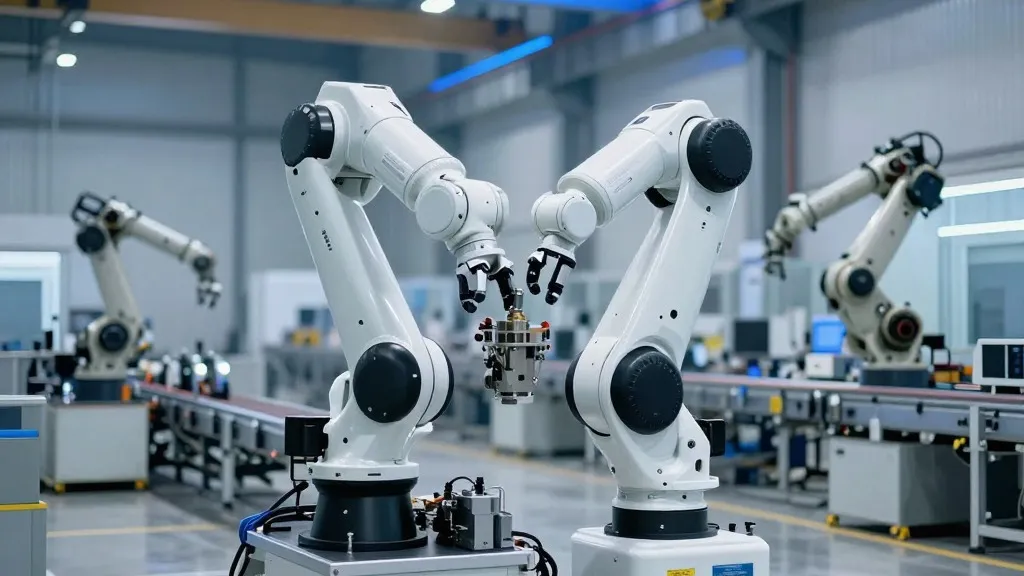
The primary technical bottleneck remains the robot’s dexterity, specifically the design of its hands. A Tesla Optimus engineer identified the hand as the most difficult hardware component, noting that the fingers must be soft enough to handle delicate objects while enduring constant wear, a challenge compounded by the fact that robots cannot heal like human skin. Alongside the hands, custom gears present reliability concerns, and the AI architecture is still being refined. To address the lack of a large fleet for data collection, Tesla plans to build 10,000 to 20,000 robots for an "Optimus Academy" where they will practice tasks, with the AI5 chip slated for integration around April 2027.
Musk’s comments on the competitive landscape were definitive, stating that to his knowledge, no other company is even close to Tesla in general-purpose humanoid development. However, this assertion contrasts with recent progress from rivals. XPeng activated an automated production line for its IRON robot in Guangzhou in September, with over 80% of core processes automated. XPeng plans mass production by the end of 2026 and deliveries in the first half of 2027, a timeline that mirrors or slightly precedes Tesla’s revised schedule. Meanwhile, Boston Dynamics began producing its electric Atlas in January and has already committed all its 2026 deployments, including to Google DeepMind.
The stakes for Tesla are high, as the company’s Q3 shareholder letter now describes the current output as the first "production-quality" bots manufactured, implying previous units were not production-ready. This admission follows a history of shifting timelines, from an initial 2025 internal use target to a 2026 high-volume goal that was later abandoned. While Tesla may lead in the number of units built, the critical challenge lies in making them useful and reliable enough to justify their cost in industrial settings where dangerous or repetitive labor is required.
Competitors are adopting different strategies to overcome the same fundamental issues. Boston Dynamics, for instance, has prioritized sturdy grippers for industrial parts over human-like dexterity, a pragmatic approach that bypasses the hand problem Tesla says is holding it back. The company has also recruited Milan Kovac, Tesla’s former head of Optimus, highlighting the fluidity of talent in this emerging field. As Tesla prepares to release a video demonstrating unscripted robot tasks within the next month or two, the industry will watch closely to see if the late-2027 target represents a genuine breakthrough or another iteration in a pattern of delayed promises.
Source: Electrek