US wildfire damage projected to triple by 2060
A new study from the University of Colorado Boulder estimates that up to 449,000 structures could be lost between 2026 and 2060 without further mitigation.
By Marco Vargas ·
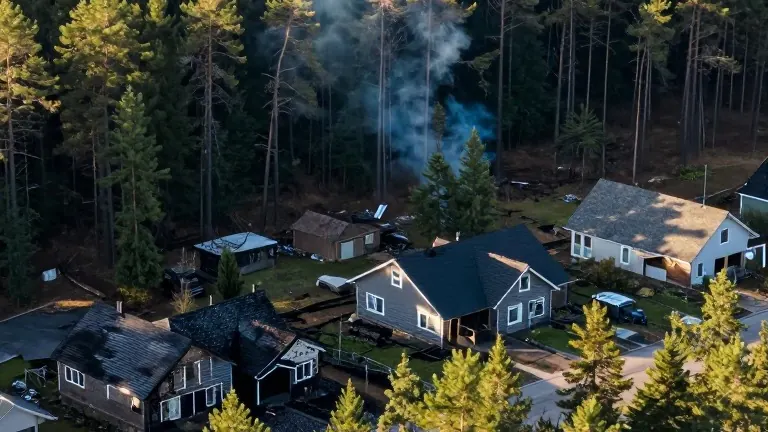
Wildfire risk in the United States is accelerating as temperatures rise and development encroaches on forested land. A study published in 2026 by researchers at the University of Colorado Boulder projects that the annual number of structures damaged or destroyed by wildfires will nearly triple by mid-century.
The 2026 fire season provided immediate evidence of this trend. The season began with historically low mountain snowpack and early snowmelt, creating conditions for rapid ignition. In June, the Aspen Acres Fire in Colorado destroyed hundreds of structures. In July, four firefighters died after the Knowles Fire overtook them near the Colorado-Utah border. By August, wind-driven fires in Spokane, Washington, damaged more than 800 homes and forced tens of thousands of residents to evacuate.
Despite rainfall from the summer monsoon helping to contain some fires, Colorado burned more than 318,000 acres by late October. This figure is nearly double the annual average recorded since 2000. Nationally, firefighting resources were stretched to their limit, with the United States spending 48 consecutive days at Preparedness Level 5. This highest alert level was active for roughly double the 10-year annual average of 25 days.
The increase in fire risk stems from several interacting factors. A century of fire suppression has allowed dry vegetation to accumulate in forests that historically experienced frequent burns. Human-caused climate change has further dried soils and vegetation, nearly doubling the area burned in western forests between 1984 and 2015 compared to baseline conditions. Additionally, human activity has extended the fire season beyond summer, with power lines, vehicles, and debris burning acting as year-round ignition sources.
Research conducted between 2001 and 2020 using satellite imagery identified a specific threat category known as fast fires. These fires, defined as those burning more than 4,000 acres in a single day, accounted for only 2.7% of analyzed events. However, they were responsible for 78% of documented structure destruction and 61% of reported firefighting costs. This rapid growth allows flames to overwhelm emergency response capabilities before containment is achieved.
Development patterns have also increased exposure. Between 1945 and 2015, construction in high-risk wildfire regions expanded tenfold. This growth places more people and buildings in harm's way while introducing additional ignition sources. The new study indicates that without further action, up to 449,000 structures could be lost nationwide between 2026 and 2060.
Vulnerability is not evenly distributed. Approximately one-third of western neighborhoods facing the greatest future risk are low-income communities. Residents in these areas often face challenges in affording protective measures, maintaining insurance coverage, and recovering financially after a loss. The study notes that basic mitigation strategies can reduce these costs.
Implementing Class A fire-resistant roofs and ember-resistant vents can lower the likelihood of a home igniting. Clearing flammable debris and vegetation from around buildings also reduces the risk of fire spreading. A previous analysis of new home construction found that meeting two protection levels established by the Colorado fire code increased minimum construction costs by only 0.6% and 4.2%. These figures suggest that resilient design is more affordable than commonly assumed.
Beyond individual buildings, prescribed burning and forest thinning can reduce fuel loads before flames reach neighborhoods. Utilities can strengthen infrastructure to limit ignition probabilities, while insurance companies can adjust premiums to reward measurable risk reduction. These combined efforts aim to lower the odds of total loss for structures situated in high-risk zones.
Source: Cobb County Courier