Pete Hegseth Moves Third Carrier as Midterm Vote Opens
Military buildup in the Middle East accelerates while early voting surges in key U.S. states ahead of the November 3 election.
By Karim Graham ·
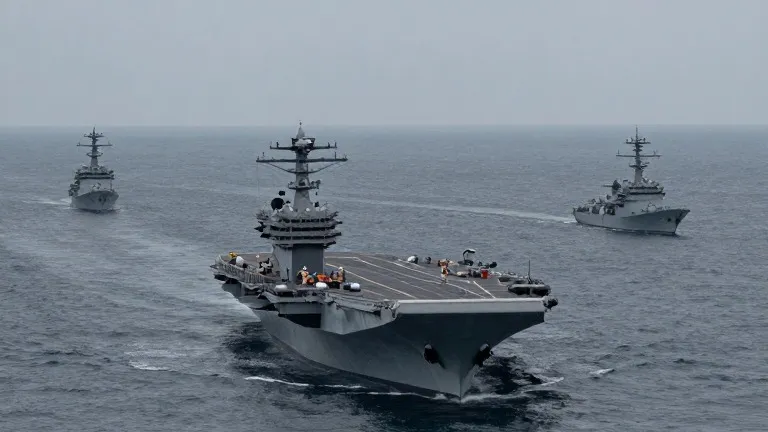
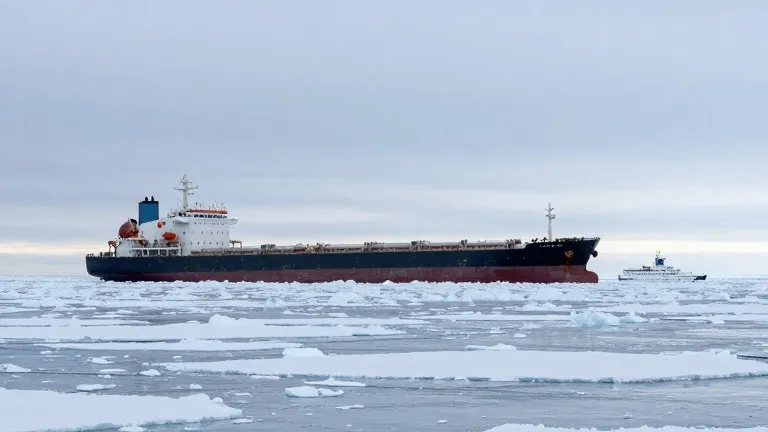
The United States is deploying a third aircraft carrier to the Middle East region. This move signals a shift in military posture as tensions with Iran rise.
A person briefed on U.S. and Israeli war planning told NPR that the two nations are preparing for a potential attack on Iran. The timing is set to fall after the American midterm elections. Iranian Foreign Minister Abbas Araghchi stated that his country is ready for both diplomacy and war.
Defense Secretary Pete Hegseth recently traveled to Israel to meet with Prime Minister Benjamin Netanyahu. The visit occurred against a backdrop of increased military activity. U.S. and Israeli officials believe they have the power to inflict heavy damage on Iran. However, Tehran shows no sign of making major concessions. Instead, the Iranian government is demanding formal control of the Strait of Hormuz. They also require the withdrawal of U.S. troops from the region.
President Donald Trump is expected to weigh military action after November 3. This timing aims to avoid a spike in oil prices before voters go to the polls. The strategy seeks to manage the economic impact on the American electorate during the election window.
Voting in the United States is already well underway. Election Day is more than a week away, yet nearly 21 million Americans have cast ballots by mail or in person. This figure comes from the University of Florida's Election Lab. The total rose by about 2 million in a single day. Early voting in key battleground states is higher than during the last midterm cycle.
NPR's Saige Miller cautioned against reading too much into early figures as a forecast of final results. The data show Democrats voting early at higher rates than Republicans. Unaffiliated voters are also taking part in large numbers. Democrats are generally more likely to vote early, while Republicans tend to turn out on Election Day.
In a separate legal development, a federal judge in California is restricting pre-election field operations by the Department of Homeland Security. The agency says these efforts aim to identify noncitizens who allegedly voted illegally in nine states. The judge's ruling adds a layer of complexity to the election administration process.
A federal magistrate judge ruled that President Trump must sit for a deposition in his $10 billion defamation case against the BBC. The judge said he must comply with court rules or face sanctions. The suit centers on a Panorama broadcast from late October 2024. That broadcast allegedly edited his January 6 speech to make it seem he incited a violent siege of Congress. Trump has called the broadcast false, misleading, and defamatory under Florida law.
The BBC, which apologized for the splicing, now wants to understand his state of mind during the speech. BBC attorneys say more than 200 January 6 defendants have said the speech motivated them. The network is also seeking details on how Trump has profited since returning to the White House. This information will help gauge the extent of any damage to his brand and financial prospects.
Source: NPR