120 Knesset seats at stake in Israel's tightest vote since 2023
No party is expected to win the 61 seats needed for a majority, forcing weeks of coalition talks between Netanyahu's bloc and the alliance led by Gadi Eisenkot.
By Stefan Greco ·
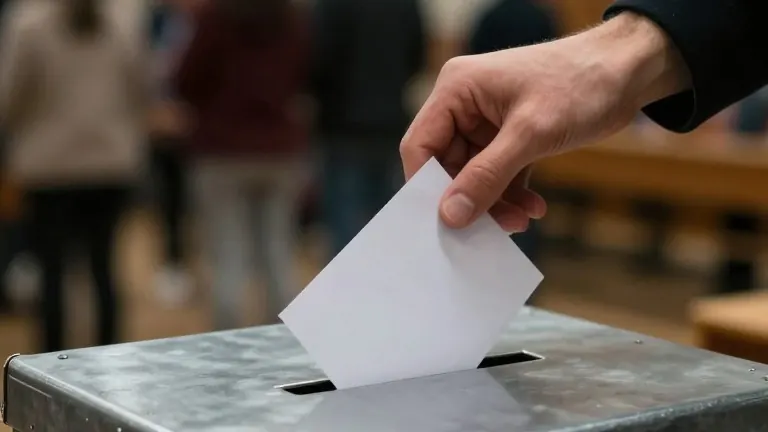
Israeli voters cast their ballots Tuesday in a national election that functions as a direct assessment of Prime Minister Benjamin Netanyahu's leadership following the Hamas-led attack of Oct. 7, 2023. The vote determines the composition of the 120-seat parliament, or Knesset, where no single party has ever secured the 61-seat majority required to form a government. Opinion polls indicate a tight race with no clear winner, setting the stage for prolonged negotiations among the approximately dozen parties expected to win seats.
Gadi Eisenkot, the former military chief and Netanyahu's primary rival, campaigned in Ofakim, a southern community struck by militants on Oct. 7, 2023. Eisenkot, who lost his son and two nephews in combat in Gaza, sought to remind voters of the security failures preceding the deadliest attack in Israel's history. His campaign centers on holding Netanyahu accountable for that breakdown and for the failure to convert battlefield gains into diplomatic results. In contrast, Netanyahu has relied on his extensive experience in building coalitions with religious and nationalist partners to maintain his grip on power.
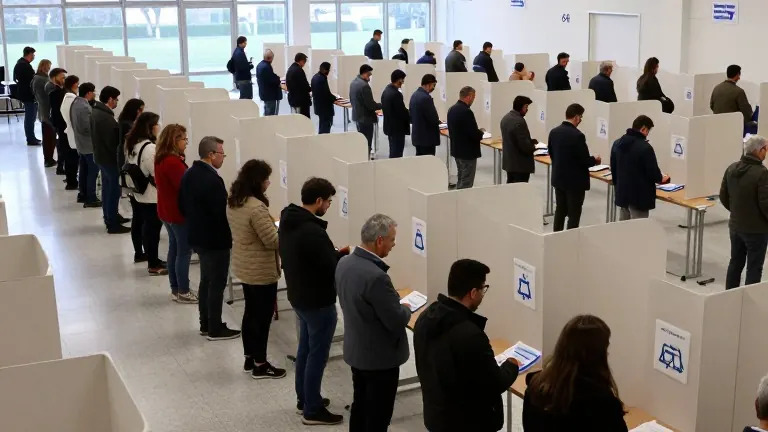
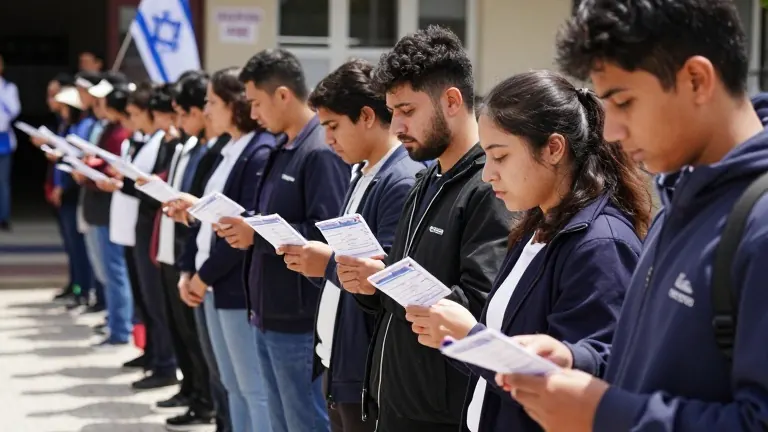
Emotions ran high at polling stations across the country. In Kiryat Shmona, a stronghold near the Lebanese border, a voter tore down a poster of Eisenkot. In Tel Aviv, families of those killed in 2023 or former hostages observed a moment of silence. Yona Adam, whose son Mapal was killed, called for a collective remembrance of those who are no longer present. Thousands of volunteer observers from civil society groups were deployed to monitor the procedures, citing concerns about the current government's hold on power.
Netanyahu, 77, has dominated Israeli politics for nearly two decades. A poor result could end his career, while a victory would solidify his status as a political survivor. U.S. President Donald Trump endorsed Netanyahu's reelection earlier this month, a move that marked a setback for the Likud leader who had previously touted his close ties to the U.S. president as a key asset. The campaign focused heavily on the scars of Oct. 7, as well as Netanyahu's efforts to exempt ultra-Orthodox Jews from military service and his 2023 judicial overhaul.
The war in Gaza, which resulted in an international arrest warrant for Netanyahu, saw limited debate regarding wartime conduct. Instead, candidates focused on the security breakdown on Oct. 7 and internal political structures. Israel's military operations in southern Lebanon and Syria, along with its two wars against Iran, maintain broad support among the public. The final outcome will depend on the complex coalition math that follows the count of 120 seats.
Source: KSAT-TV