Israel votes with no clear winner
A fragmented parliament and high Arab turnout threaten to stall the formation of a new government for weeks.
By Stefan Greco ·
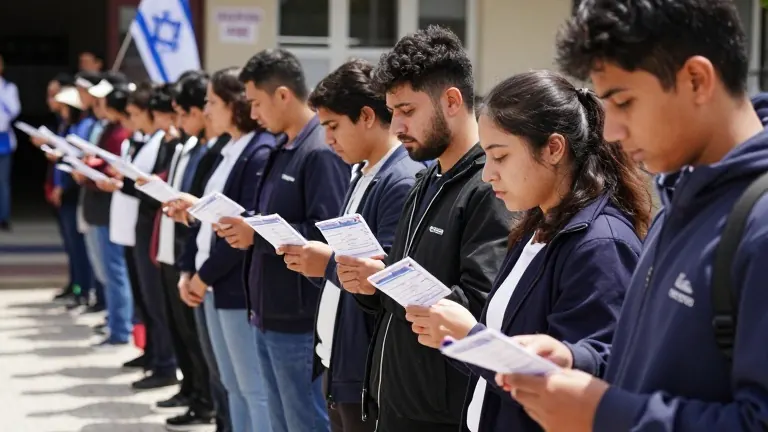
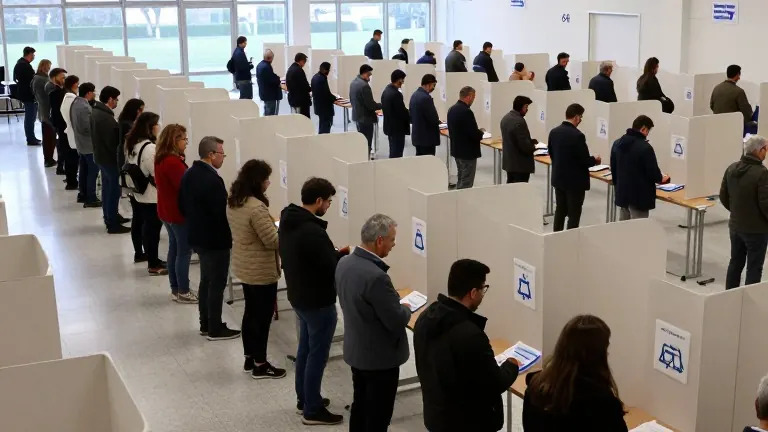
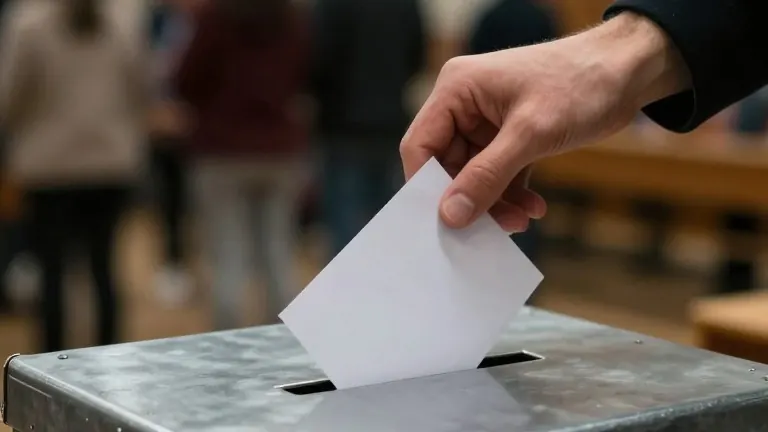
Israeli voters cast ballots on Tuesday in an election that has produced no clear frontrunner, leaving the country without a decisive mandate to replace or retain Prime Minister Benjamin Netanyahu after three years of war.
The vote follows the October 7, 2023, Hamas attack and the subsequent regional conflicts. It is the first national election held since that date. In Tel Aviv, families of victims and former hostages observed a moment of silence before polling stations opened. Yona Adam, whose daughter Mapal was killed on that day, said, "Remember all those whose voices are no more."
Netanyahu faces a fragmented opposition led by former military chief Gadi Eisenkot. Opinion polls indicate a tight race. Israel’s parliamentary system requires leaders to form coalitions because no single party has ever won an outright majority. This structure often leads to protracted negotiations after a vote.
The balance of power may rest with Arab-led parties. These groups are urging heavy turnout. If neither Netanyahu’s bloc of religious and ultranationalist parties nor the opposition coalition secures enough seats, the Arab parties could decide which leader commands a majority. That scenario could delay the announcement of a new prime minister for several weeks.
Tensions with Iran loom over the campaign. Netanyahu intensified warnings against Tehran ahead of the vote. In a video released this week, he stood beside a missile-defense battery and stated that Israel would deliver "a devastating blow" if Iran attacked.
The election pits two visions of the state against each other. One side favors a government anchored in religious and nationalist forces. The other pushes for a state more firmly aligned with liberal and secular values. This debate influences how Israelis view their country’s domestic policies and international standing.
Israel’s traditional allies have grown critical of its leadership since 2023. Public support in the United States has dropped. European partners have imposed sanctions in recent months. Critics point to violence in the occupied West Bank and the conduct of the war in Gaza as reasons for the shift in diplomatic relations.
Netanyahu’s supporters describe him as a steady hand who has guided Israel through multiple wars. They believe he protects the country’s Jewish identity and restrains an interventionist judiciary. His detractors argue he is a polarizing figure who prolonged the hostage crisis for political gain. They accuse him of undermining the independent judiciary and allowing ultra-Orthodox Jews to avoid compulsory military service.
Eisenkot’s backers view him as a security expert who can counter illiberal trends. His son and two nephews died in Gaza. Parties likely to support him have pledged to conscript ultra-Orthodox men, bolster the independence of the courts, and improve Israel’s international reputation.
In Kiryat Shmona, a border town and Netanyahu stronghold, a man tore down a poster of Eisenkot as polls opened. The scene reflected the high emotions driving the turnout. The outcome will determine whether Israel continues under Netanyahu’s leadership or shifts toward a new governing coalition.
Source: KSAT-TV